
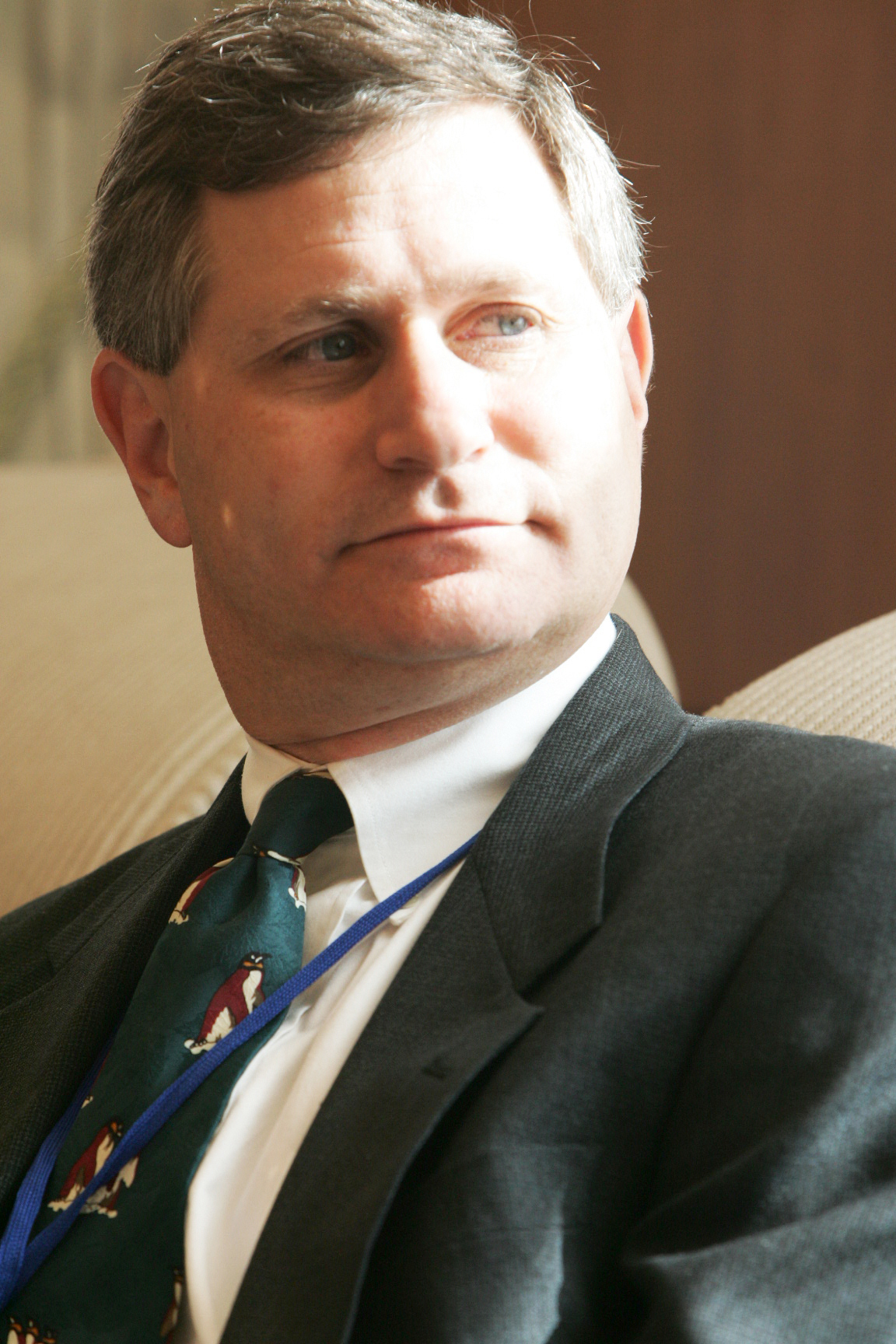
One of the things Manny Schecter, former chief patent counsel at IBM, misses the most about his four decades at the company is the people he worked with. “One of the reasons you stay in a job for such a long time is that you enjoy the people – and you respect them,” he says.
But what Mr. Schecter misses the most about working in IP is the “sense of satisfaction” he used to get from helping inventors and business executives “see the light”. A large part of his role at the company entailed helping inventors understand how to navigate the patent system or realize their inventions were patentable, and helping business executives set a strategy on how much IP to procure or when to license IP out. “So, at the end of the day, they get satisfaction out of that activity – and that satisfaction cascades to you as the person who helped them navigate the morass they couldn’t initially see their way through.”
Mr. Schecter first joined IBM right out of university as a manufacturing engineer in the company’s semiconductor and micro-electronics business in 1980. Following an in-house program that sent him to law school, he returned to IBM as an attorney in the storage business, before moving to IP and running the unit that serviced all of IBM’s research labs across the world. In 2009, he was promoted to chief patent counsel and associate general counsel. He eventually retired in 2023, and his responsibilities were divided among three different people.
In an interview with ip fray, Mr. Schecter discussed the highs and lows of his 43 years at IBM, the one fundamental battle that IP experts continue to face, and the recent patent policy changes in the U.S.
The highs
Reflecting on his four-decade career at IBM, Mr. Schecter shared three key highlights:
- IBM led the U.S. patent ownership rankings for over 25 consecutive years: Those years coincided with his time in senior roles at IBM, including his time as chief patent counsel, and helped it earn billions of dollars in patent licensing.
- The Peer to Patent project: He led the mission that made it easier for third parties submit prior art to the United States Patent and Trademark Office (USPTO), which was then incorporated into the American Invents Act of 2011.
- Testifying before the U.S. Senate Committee on the Judiciary: “When patent eligibility became as uncertain as many of us could tolerate”, he testified before the committee in 2019 on how they could reform the system.
Mr. Schecter also noted that he was recently inducted into the IP Hall of Fame. He was a long-serving member of the Intellectual Property Owners (IPO) board of directors (and served as the president of the IPO Education Foundation for four years). He was also a long-time active member of the American Intellectual Property Law Association (AIPLA), where he also served on the board of directors, and received the AIPLA’s Outstanding Service Award in 2023 (October 23, 2023 AIPLA press release). He remains on the board of the Center for Intellectual Property Understanding (CIPU).
Much of Mr. Schecter’s success comes from the background he has in both law and engineering. Aside from being able to obtain patent attorney credentials (in most countries, having a technical background is essential for this), Mr. Schecter notes that being an engineer meant he could speak the same language as the inventors and the technical personnel.
“It was essential in trying to get down deep into how they work and figuring out what to protect in those products and how to navigate around the IP of others,” he comments. “Being able to communicate with those people in their language… is quite important for this job.”
The lows
To Read The Full Story
Continue reading your article with a Membership
Patent policy changes: not a new phenomenon
Since taking office in September, United States Patent and Trademark Office (USPTO) Director John A. Squires has made a series of pro-patent and patent enforcement policy decisions, as well as brought in mechanisms that make it harder to challenge patents (October 16, 2025 ip fray article; October 1, 2025 ip fray article). On his second day in office, Director Squires signed the first two patents of his tenure, signaling the USPTO’s commitment to a “strong, robust, expansive, and resilient intellectual property system”.
The USPTO then issued the precedential “In re Desjardins Appeals Review Panel” decision, which the office noted reaffirms that “eligibility must be assessed carefully and consistently, with proper consideration of technological improvements reflected in the claims and specification”.
When asked whether these changes in patent policies following the transition of political power last year are a new phenomenon, Mr. Schecter says that this is something that has been happening for years.
“It’s hard to say whether this particular administration made changes of greater magnitude or speed,” he notes, “but new USPTO directors coming in and changing policies is something we’ve been seeing forever – it’s what democracy is all about.”